Address
304 Ntinda
Kampala, Uganda
Work Hours
Monday to Friday: 8AM - 6PM
Saturday: 10AM - 5PM
Sunday: Closed
Address
304 Ntinda
Kampala, Uganda
Work Hours
Monday to Friday: 8AM - 6PM
Saturday: 10AM - 5PM
Sunday: Closed

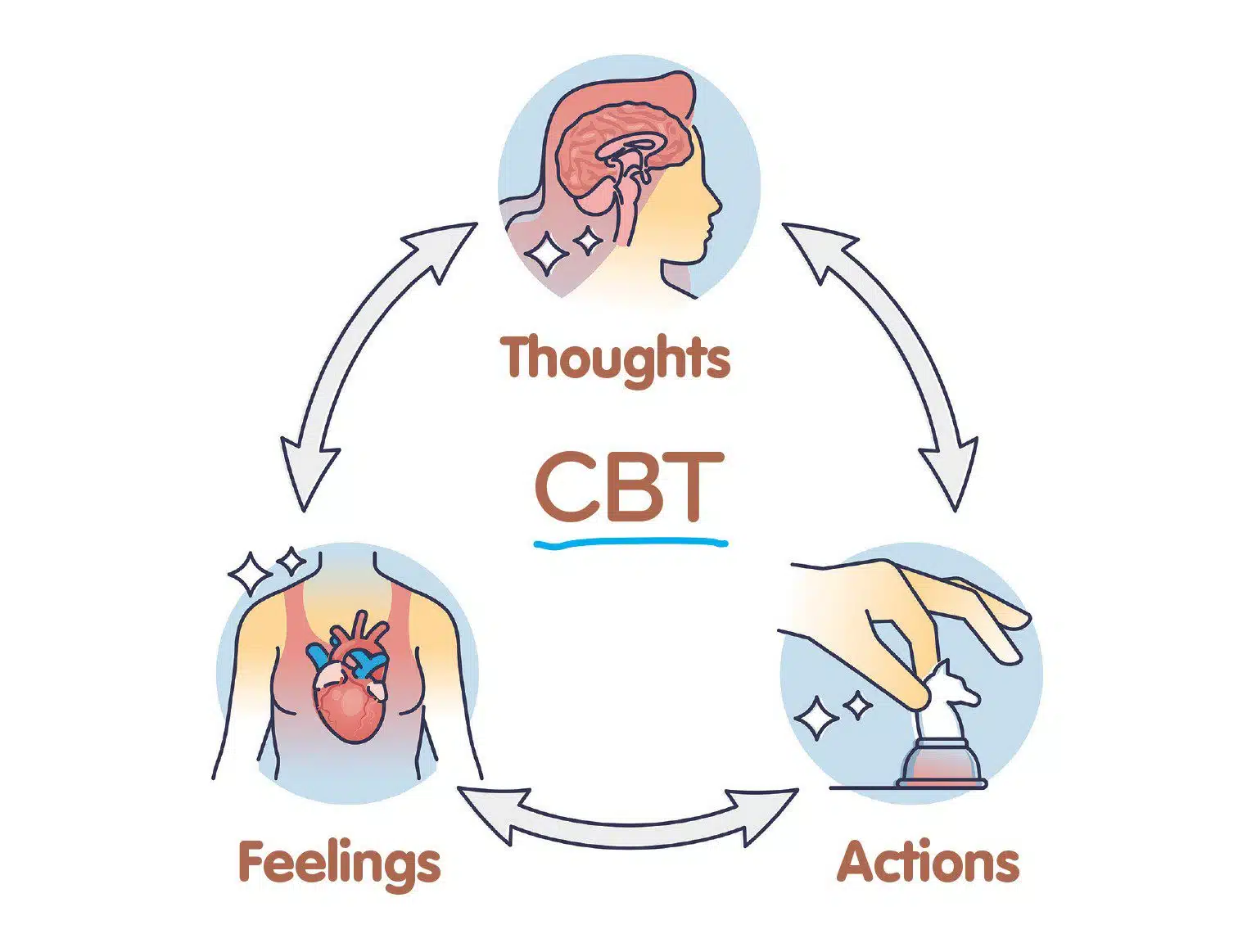
Life can be overwhelming at times, and our thoughts often shape how we experience stress, anxiety, and everyday challenges. Have you ever caught yourself thinking the worst about a situation before it even happens? Or feeling stuck in patterns that seem impossible to break? Cognitive Behavioral Therapy (CBT) offers a practical, science-backed way to shift these patterns and regain control over your mental well-being. Let’s explore how it works and why so many people find it helpful.
Cognitive Behavioral Therapy (CBT) is a type of talk therapy that helps people change unhelpful thoughts and behaviors. It’s based on the idea that our thoughts, feelings, and actions are connected. By changing the way we think, we can change the way we feel and behave.
CBT is a structured, goal-oriented therapy, meaning it focuses on solving specific problems rather than just talking about feelings in general. It’s used for a wide range of mental health issues, including:
CBT helps people identify negative thinking patterns and replace them with healthier, more balanced thoughts.
CBT helps people identify negative thinking patterns and replace them with healthier, more balanced thoughts. Here’s how it works:
CBT often includes homework exercises, like journaling, practicing new thought patterns, or testing out behaviors in real-life situations.
CBT is one of the most research-backed forms of therapy, with proven benefits such as:
If you struggle with negative thinking, self-doubt, or emotional distress, CBT could be a great fit. It’s widely used and can be done with a therapist or even through self-help books and online programs. The key is consistency and practice!
CBT isn’t about forcing positivity—it’s about seeing reality more clearly and responding in a healthier way. By changing the way we think, we can improve our emotional well-being and take control of our mental health. If you’re curious, consider giving it a try!
Have you ever tried CBT or a similar therapy? What was your experience like? Share in the comments!
